Yes. Helmet use may affect compensation for head injuries, but you still have the right to file a claim.


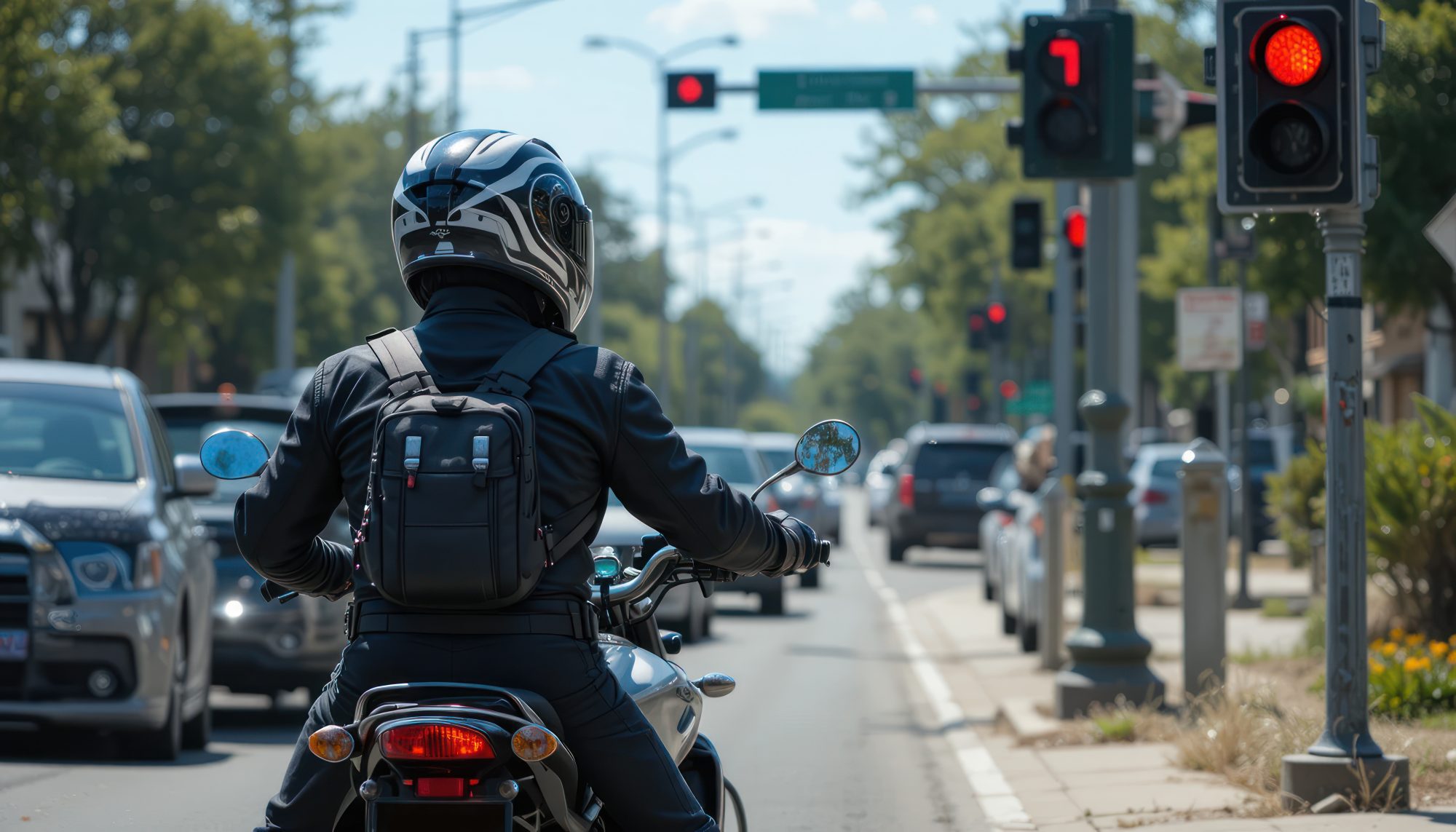
There’s no protection more important than the legal kind, especially after a motorcycle accident. When a rider goes down on the streets, the consequences are often severe. Broken bones. Traumatic brain injuries. Lost work. Life-altering pain. And sadly, far too often, death.
If you or someone you love has been involved in a motorcycle accident, you need more than sympathy. You need an experienced legal team that understands the unique risks riders face and how to fight for what’s fair.
At Rachel Frazier Johnson Law, we’re not just familiar with Arizona motorcycle law; we’re fierce advocates for riders. With over 29 years of litigation experience and deep knowledge of how motorcycle accident claims are evaluated, we help injured bikers secure full compensation and justice.
Motorcycle crashes are very different from other types of vehicle collisions. The injuries are more severe. The stigma against riders is real. And insurance companies are quick to downplay responsibility, especially when the rider survives.
Our law firm understands how to:
The truth is, most motorcycle accident victims aren’t reckless: they’re vulnerable. And the legal system doesn’t always treat them fairly. We’re here to change that.
Phoenix is a hotspot for motorcycle riding, with long stretches of scenic roads and a climate that invites riders out year-round. But that also means a higher risk of accidents, particularly on roads like I-17, the Loop 202, or city streets.
Here are some of the most common causes of crashes we see:
In every case, we work to identify not just what happened but why it happened, and who can be held legally responsible.
Every crash has its own story, and every rider deserves to be heard. Our team represents a wide range of clients, including:
Whatever your situation, our team is ready to listen and build a case around the facts.
If you’ve been involved in a motorcycle accident, it’s normal to feel overwhelmed. Here’s what we recommend doing immediately and in the days that follow:
When you’ve been injured in a motorcycle crash, the bills pile up fast. Between emergency room visits, surgeries, physical therapy, and lost wages, the financial impact can feel just as overwhelming as the physical pain.
At Rachel Frazier Johnson Law, we fight for full compensation across both economic and non-economic damages, including:
We work with financial experts and medical professionals to calculate every aspect of your damages, both now and in the future. Our team stands by the belief that your recovery deserves more than a number pulled from an insurance company’s spreadsheet.
In Arizona, the statute of limitations for motorcycle accident claims is generally two years from the date of the accident. However, there are exceptions, especially when the crash involves a government agency (such as a city-owned vehicle or poor road maintenance). These cases may have much shorter deadlines.
That’s why it’s critical to contact a motorcycle accident attorney as soon as possible. Waiting too long can limit your ability to pursue damages and may lead to lost evidence, uncooperative witnesses, or missed legal deadlines.
We act fast to preserve your rights and begin building your claim immediately.
Insurance adjusters aren’t your friends, even if they sound helpful on the phone. Their job is to limit the payout, shift blame, or close the case before you fully understand the extent of your injuries. Here’s how they often operate:
Don’t fall for these tactics. At Rachel Frazier Johnson Law, we handle all negotiations with insurers so you don’t say anything that could jeopardize your case. We’ve dealt with every major insurance carrier in Arizona and know how to hold them accountable when they act in bad faith.
Motorcyclists have far less protection than those in passenger vehicles. As a result, many accident victims face permanent disability or chronic pain. We frequently represent clients with:
These injuries aren’t just short-term inconveniences; they impact how you work, live, and interact with your family. When evaluating your claim, we consider long-term costs like:
You deserve compensation that reflects the true cost of what you’ve lost and what you’ll need to rebuild.
Losing a loved one in a motorcycle crash is a tragedy no family should have to endure. And while nothing can bring them back, the law does provide a path toward justice and financial accountability.
Under Arizona law, surviving spouses, children, or parents may bring a wrongful death claim against the at-fault party. Compensation may include:
We handle these cases with the compassion they deserve while still fighting fiercely for the full damages your family is owed.
We’ve handled hundreds of motorcycle claims and heard all the myths. Let’s clear some up:
Myth 1: The motorcyclist is always at fault.
False. Many drivers don’t see bikes or fail to yield to them. There are plenty of cases where the rider was 100% in the right.
Myth 2: If I wasn’t wearing a helmet, I can’t file a claim.
Not true. Helmet use may impact your compensation for head injuries, but you still have a legal right to file.
Myth 3: I can’t afford a motorcycle accident lawyer.
Wrong. We work on a contingency basis, which means you don’t pay legal fees unless we win.
Myth 4: If I didn’t report the crash right away, I have no case.
False. Late reporting can make things harder, but we can still win a case when someone comes to us weeks after the crash.
The legal process can feel confusing when you are also trying to heal. We keep it clear and take on the heavy lifting for you. Here is what to expect when you work with our team:
Step 1: Consultation. We listen to your story, ask questions, and assess your case: no pressure, no charge.
Step 2: Investigation & Evidence Collection. We gather police reports, medical records, traffic cam footage, black box data (if a vehicle was involved), and expert opinions.
Step 3: Demand Letter. We submit a detailed letter to the at-fault party’s insurance company outlining your injuries, expenses, and the compensation you’re owed.
Step 4: Negotiation. We handle all communication with insurers and defense lawyers. Most cases settle during this phase, but if not, we’re ready for court.
Step 5: Litigation (If Needed). If a fair deal isn’t offered, we prepare for trial. This may include depositions, mediation, or a jury verdict. You remain updated and in control the whole time.
Our goal is to take the stress off your shoulders so you can focus on healing while we focus on justice.
To win your case, we have to prove three things:
We do this by compiling:
In some cases, we even work with biomechanical engineers and accident reconstructionists to create a rendering of the crash.
Insurance companies only respect facts and force. We deliver both.
One of the most important legal concepts in motorcycle cases is comparative fault. In Arizona, even if you’re partially responsible for the accident, you can still recover compensation; your percentage of fault just reduces your total award.
For example:
Don’t let an insurance adjuster tell you that you’re out of luck just because you “could have swerved” or “should’ve seen it coming.” We push back hard on unfair fault claims and make sure the outcome reflects the truth, not assumptions.
To maximize your compensation, we gather powerful evidence that speaks louder than opinions. Some key forms of evidence include:
The more thorough our case file, the more likely we are to secure a high-value settlement or verdict.
Choosing a motorcycle accident attorney isn’t just about experience; it’s about trust, communication, and results. Here’s why so many riders choose our firm:
We’re not afraid of a courtroom. And we don’t back down when someone’s trying to undervalue your pain.
You fought to stay alive after your crash. Now let our team fight for what you are owed. Every day you wait gives the insurance company more time to build a case against you. If you or someone you love has been hurt in a motorcycle accident, contact Rachel Frazier Johnson Law for a no-obligation consultation.
Yes. Helmet use may affect compensation for head injuries, but you still have the right to file a claim.
Under Arizona’s comparative fault law, you can still recover compensation. Your award is reduced by your percentage of fault.
You may recover medical expenses, lost income, pain and suffering, property damage, loss of enjoyment of life, and wrongful death damages for surviving family members.
No. Adjusters often use recorded statements against riders. Let your attorney handle all communication with insurers.
Get medical attention, call the police, document the scene, collect witness details, and contact an attorney before speaking with insurers.

At Rachel Frazier Johnson Law, we do things differently. Led by attorney Rachel Frazier Johnson, our firm is built on the belief that great legal representation starts with truly understanding people, their challenges, their fears, and their goals for the future. For over 29 years, Rachel has been helping individuals and families in Phoenix navigate difficult moments with strength, compassion, and unwavering dedication.
Known for her sharp legal mind and fierce advocacy, Rachel balances professionalism with a personal touch that makes clients feel seen and supported. Whether guiding you through a divorce, fighting for fair compensation after an injury, or protecting what matters most, Rachel Frazier Johnson Law is committed to standing by your side.
Available 24/7 by Phone:(602) 777-3577

"*" indicates required fields