

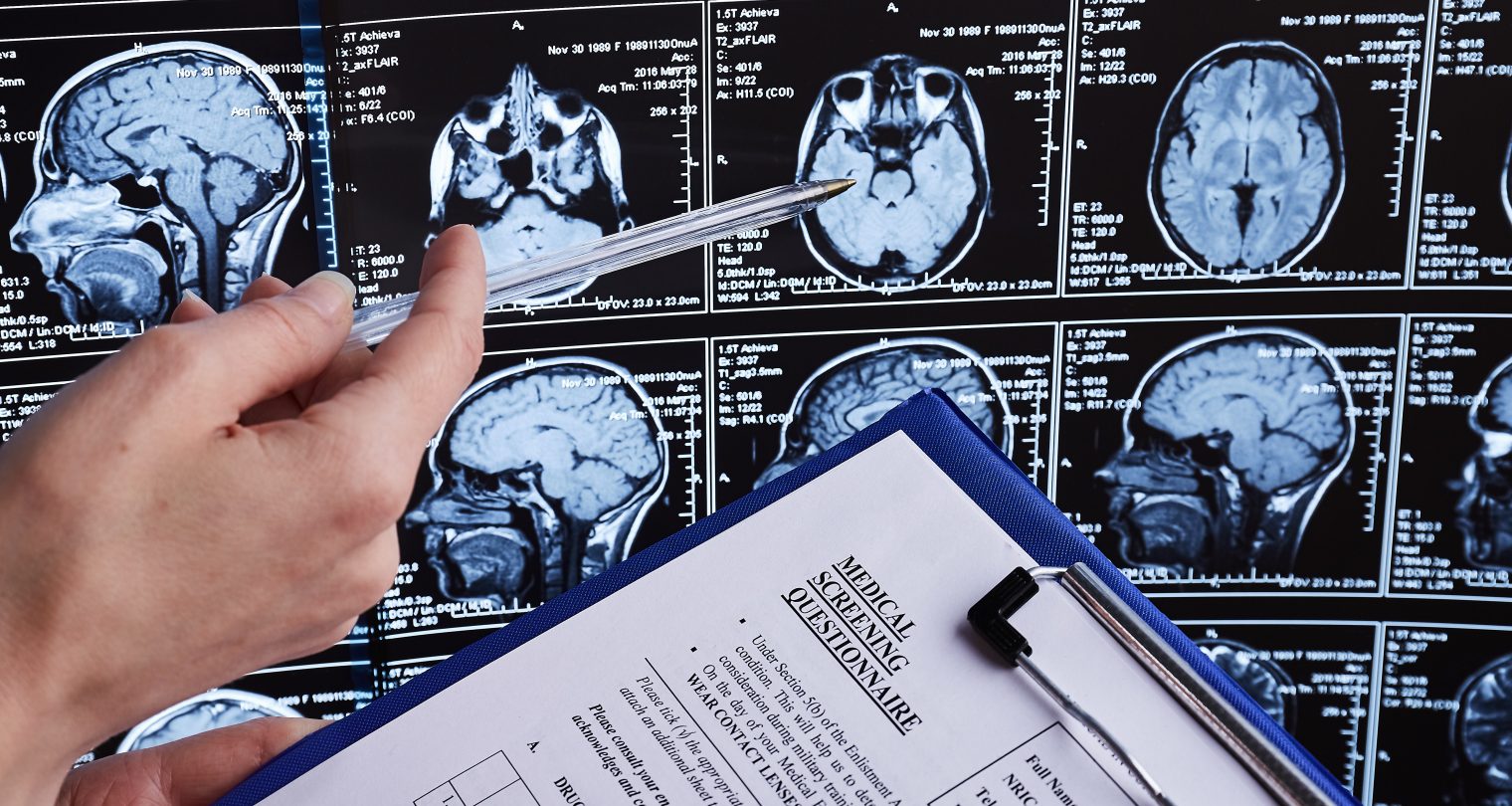
An accident can leave scars that no one can see. A broken bone shows up on an X-ray. A traumatic brain injury (TBI) can hide behind a normal-looking scan while quietly disrupting memory, mood, and the ability to work. That gap between what a person experiences and what a test can confirm is where so many accident victims run into trouble, both medically and legally.
At Rachel Frazier Johnson Law, we have represented people who were catastrophically injured and left fighting to prove an injury that insurance adjusters could not see on paper. We help our clients understand why these injuries pose such a unique challenge from the start:
Detailed medical evidence, expert input, and a clear record of how the injury has changed your life support your claim.
Adrenaline and shock can mask the early signs of a brain injury. Someone involved in a car accident might feel “fine” at the scene, only to develop headaches, dizziness, or confusion days later. This delay creates two problems: the person may not connect their symptoms to the accident right away, and insurance companies may later argue that a late diagnosis means the injury was not related to the crash at all.
Common delayed symptoms include:
Arizona law offers some protection here. Under the discovery rule, the clock on a personal injury claim can start when the injury is discovered, or reasonably should have been discovered, rather than strictly on the date of the accident. This matters for TBI victims, as Arizona’s general statute of limitations under A.R.S. § 12-542 gives injury victims two years from the date of injury to file a lawsuit.
Many people assume that a normal CT scan or MRI rules out a brain injury. That assumption can cost victims their claim. Standard imaging is designed to catch bleeding, swelling, or structural damage, but it often misses the microscopic changes associated with mild to moderate TBIs. A person can have a completely “clean” scan and still be dealing with real, lasting cognitive damage.
This is one of the biggest hurdles our team helps clients overcome. We work to connect our clients with the right specialists so that a normal early scan does not become the reason a valid claim gets denied.
Building a strong TBI claim means going beyond the emergency room visit. Our team focuses on gathering evidence that paints a full picture of the injury and its effects over time.
That evidence can include:
The more consistent and detailed this record is, the harder it becomes for an insurance company to dismiss the injury as minor or unrelated.
A brain injury rarely stays contained to one part of a person’s life. It tends to ripple outward, touching relationships, careers, and the small routines that once felt automatic.
People living with a TBI often describe:
These changes are real, even when they are hard to put into words. Part of our job is helping clients translate that lived experience into evidence that carries weight in a claim.
A traumatic brain injury can be one of the hardest injuries to prove precisely because it is one of the hardest to see. Delayed symptoms, inconclusive imaging, and the subjective nature of cognitive changes all work against accident victims who deserve to be taken seriously.
Our team at Rachel Frazier Johnson Law has spent years helping Arizona clients build strong, well-documented TBI claims backed by medical evidence and a clear record of how their lives have changed. If you or someone you love is dealing with a suspected brain injury after an accident, reach out to our office to talk through your situation and your options.

"*" indicates required fields