

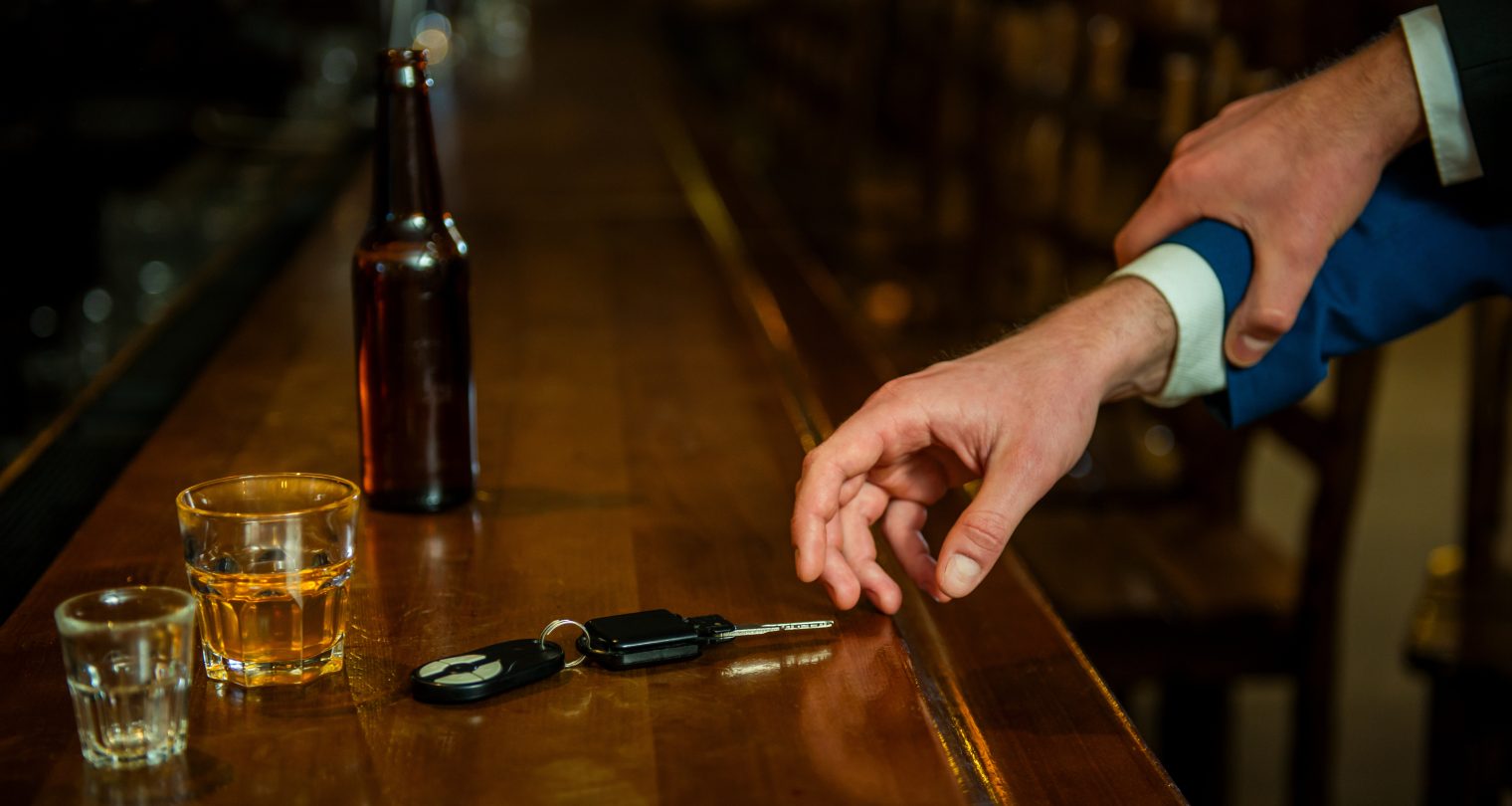
A drunk-driving crash can change a family’s life in seconds. Medical bills pile up, injuries linger, and grief settles in when a loved one unfortunately doesn’t survive. As you search for answers, one question often surfaces: is the driver truly the only party responsible for what happened?
In many Arizona cases, the answer is no. When a bar or restaurant serves alcohol irresponsibly, that establishment may share legal responsibility for the harm that follows. This is known as dram shop liability, and understanding how it works can open the door to additional sources of recovery.
At Rachel Frazier Johnson Law, our team helps clients explore every avenue available to them after a drunk-driving crash, including claims against the businesses that may have contributed to it. We help our clients understand the laws surrounding their accident case:
Arizona law does not hold every bar responsible simply because a patron drank there and later caused a crash. Liability generally attaches when a licensed establishment serves someone who is visibly impaired or under the legal drinking age. “Obviously intoxicated” refers to signs a reasonable server should reasonably notice, such as slurred speech, stumbling, glassy eyes, or aggressive behavior.
Common situations that may lead to a claim include:
Proving that an establishment served a visibly impaired patron requires solid evidence gathered as soon as possible. Surveillance footage is often deleted within days or weeks, so acting quickly protects the strength of a claim.
Our team looks for details such as:
Identifying every available source of coverage often depends on the same evidence used to prove liability. Establishments that serve alcohol commercially generally carry liquor liability insurance in addition to standard general liability coverage, and this coverage can be substantially higher than a driver’s personal auto policy.
Records that may point to available coverage include the establishment’s liquor license information, any prior complaints or violations on file with Arizona’s Department of Liquor Licenses and Control, and internal training records showing whether staff followed responsible service protocols. When those protocols were ignored, it strengthens both the liability case and the argument for full access to the business’s insurance policy.
Arizona’s comparative negligence system allows fault to be divided among multiple parties. A driver might carry only the state’s minimum insurance requirements, which can fall far short of covering serious injuries or a loss of life. A bar or restaurant’s liquor liability policy, by contrast, may offer far greater limits, sometimes reaching into the hundreds of thousands or even millions of dollars.
By pursuing a claim against the establishment alongside the driver, victims and their families gain access to a broader pool of resources for medical expenses, lost wages, pain and suffering, and, in the most tragic cases, funeral costs and loss of companionship.
A drunk-driving crash leaves more than physical injuries behind. It can leave a family wondering how to pay for treatment, replace lost income, or simply hold someone accountable. Arizona law recognizes that responsibility does not always end with the driver, and a bar or restaurant that served alcohol irresponsibly may share in that responsibility too.
At Rachel Frazier Johnson Law, our team is ready to review the details of your crash, identify every party who may share fault, and pursue the resources you need to heal. Schedule a consultation today, and learn what options may be available to you.

"*" indicates required fields