

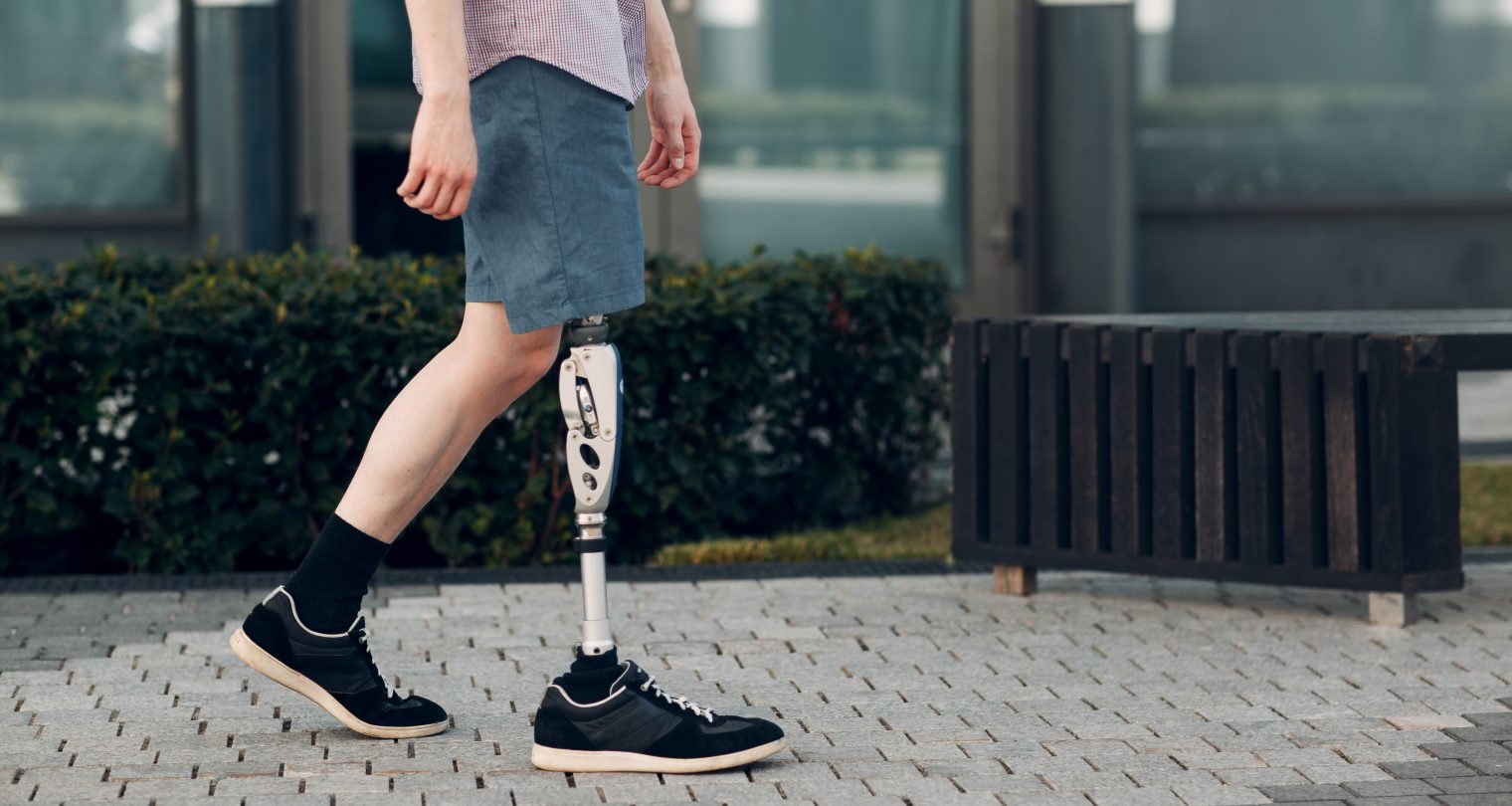
Losing a limb changes life in an instant. Beyond the physical pain, an amputation reshapes how someone works, moves, cares for themselves, and sees their own future. The emotional weight of this kind of loss often runs just as deep as the physical one, and it can leave a family wondering how they will manage what comes next.
Arizona law recognizes the scope of this loss. It allows injured people to pursue compensation for the medical needs, financial setbacks, and personal adjustments that follow an amputation. At Rachel Frazier Johnson Law, our team is here to help you understand your options and pursue what you are owed.
Compensation for amputation injuries often includes:
An amputation rarely ends with a single hospital stay. Our team works to account for every stage of care, including:
Studies show that lifetime medical costs following limb loss can exceed $500,000, depending on the severity of the injury. These figures show why claims built only around initial hospital bills fall short of what someone truly needs.
A prosthetic limb is rarely a one-time cost. Devices wear down, need adjustment as the body changes, and often require replacement every three to five years. Compensation can account for this full lifetime cost rather than just the first device.
Many injured people also need changes to their living space, such as wheelchair ramps, widened doorways, or bathroom modifications, to remain safe and independent at home. Our team works to make sure these costs are part of the conversation from the start.
An amputation can take away the ability to do a job the same way as before, or at all. Compensation can address:
Our team works with vocational experts when needed to show how an injury affects someone’s ability to earn a living for years to come. If you’re concerned about what your compensation may cover, we’ll help answer your questions so you can move forward confidently.
Not every loss shows up on a medical bill. Pain and suffering, including ongoing conditions like phantom limb pain, deserve recognition. So does the visible reality of disfigurement, which can bring its own emotional toll separate from physical pain. Many amputees also experience a genuine loss of independence: the inability to do things they once did without a second thought, from driving to hobbies to simple daily routines.
Arizona follows a pure comparative negligence rule, meaning you can still recover damages even if you share some fault for the accident. While your award will be reduced by your percentage of fault, it is worth exploring what you may be owed rather than assuming a claim is not worth pursuing.
An amputation injury touches nearly every part of life, from medical care and income to independence and peace of mind. Arizona law offers paths to compensation that reflect the true scope of that loss, but building a strong claim takes careful documentation and a clear understanding of what to pursue.
At Rachel Frazier Johnson Law, our team is ready to listen to your story and help you understand what your case may be worth. Contact us for a consultation and take the next step toward the support you need.

"*" indicates required fields